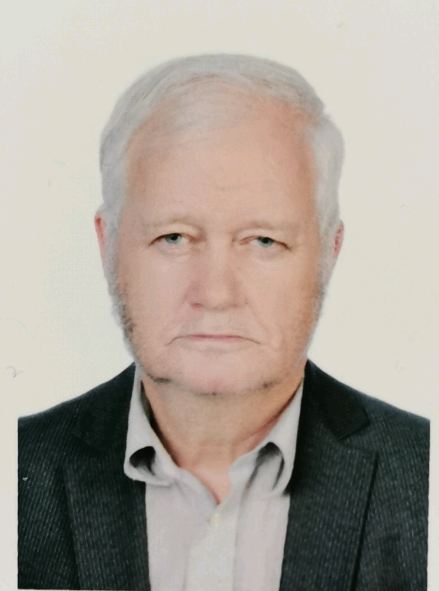
Владимир Ильич Нейштадт,
родился 28 ноября 1950 года в селе Черниговка
Чановского района Новосибирской области.
С 1 по 8 класс учился в средней школе №3
города Углича Ярославской области. В
1964-м шестиклассником
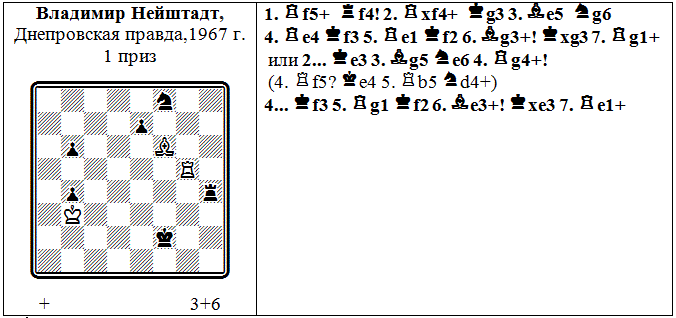
опубликовал первый этюд в "Пионерской правде", где отдел вел
мастер Василий Панов. Мой Учитель - международный мастер Александр
Петрович Кузнецов(1913-1982).Я являюсь внучатым племянником известного
этюдиста и шахматного журналиста 30-х годов поэта и переводчика,
шахматного историка Владимира Ильича Нейштадта (1898-1959).
С 1966-го живу в Барнауле. Работал на барнаульских
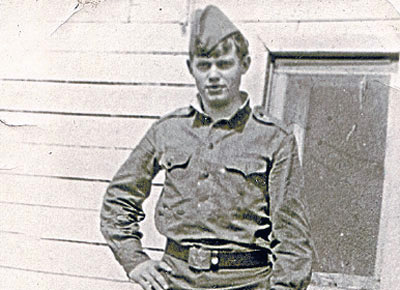
заводах разнорабочим, токарем, электриком.В 1970-1972 служил в армии в
Забайкалье. Окончил факультет журналистики Уральского университета им.А.
М. Горького.
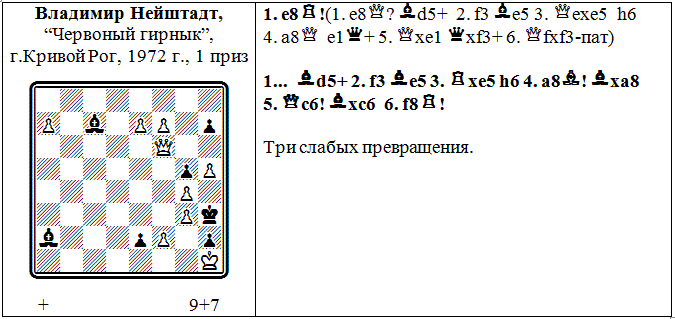
Опубликовал около 300 композиций, в основном этюды. Более 120 отличий на конкурсах. 15 первых и вторых призов.
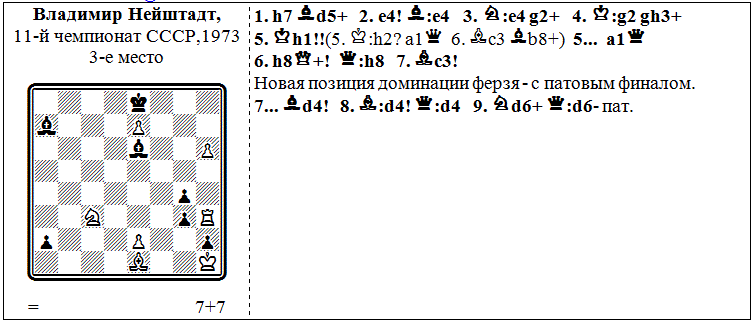
Участник матча века "СССР -остальной мир", 17-е место по 1-й теме. Результаты в чемпионатах СССР: 9-е (1969 г.)-14 место из 17, 11-е(1973)-6-е из 14, в чемпионате России за 2022-2024 годы -6-е место из 12.
Был ведущим шахматных отделов в газетах «Молодежь Алтая»( с 1972-го по 1975-й) и «Алтайская правда»(1975-2020 гг.),в центральных «Известиях»(1999-2002 гг.).
Будучи спецкором журнала «64-Шахматное обозрение» в первой половине 80-х исколесил пол-Союза, и остаюсь автором журнала.
Начиная с нулевых пишу и для сайта
https://chesspro.ru/
Десятки лет исследую очень сложную тему «Александр Алехин в годы второго мировой...». Это общее название целой серии моих материалов, опубликованных в прошлые годы на страницах «64-Шахматное обозрение». Мной практически полностью выверен этот сложный и противоречивый период жизни гениального шахматиста.
Также опубликовал биографическую повесть «Гражданин мира Ганс Кмох: от Ласкера до Фишера», очерки о выдающемся организаторе, погибшем на передовой при обороне Москвы от немецко-фашистских захватчиков Владимире Снегиреве (в предвоенную пору он возглавлял шахматный отдел Всесоюзного спорткомитета),
видных советских мастерах Евгении Загорянском, Бениамине Блюменфельде, об уроженце небольшого белорусского села Стайки Иване Романенко, сильном шахматисте и скрипаче-виртуозе, покорившем Америку…
Из публикаций недавнего времени:
на сайте Федерации шахмат Алтайского края-мемуары:
https://www.chess22.ru/post/xobbi-stavsee-v-kakoi-to-mere-smyslom-zizni
в «64-Шахматное обозрение»-очерк «Наш Султан-Хан»,о самородке из туркменского села,первом чемпионе СССР среди колхозников,мирабе(поливальщике сельхозугодий) Ташли-Тайли,
на сайте chessppro.ru-две части очерка о службе британской шахматной гвардии на невидимом фронте после Блетчли-парка -«Два миллиона триста тысяч литров воды для «Зеленого монстра»:
https://chesspro.ru/thesaurus/neishtadt_net_nichego_tainogo
и «Свои среди своих»:
https://chesspro.ru/thesaurus/neishtadt_net_nichego_tainogo_2
Опубликованных мною биографических очерков наберется на толстенный том.
И давно уже работаю над очерками о классических советских композиторах с трагическими судьбами. :
http://www.chesspro.ru/enciklopediya/Chto-ni-sudba-tragediya-chast-20
Часть этих очерков(а также опубликованных в журнале 64-Шахматное обозрение) -в одноименной книге,изданной в 2019 году.
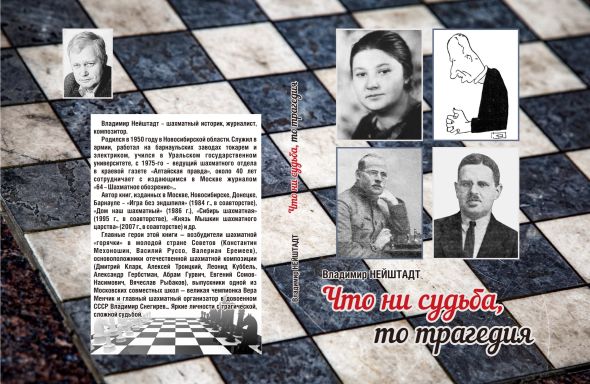
Был ведущим шахматных отделов в газетах «Молодежь Алтая»( с 1972-го по 1975-й) и «Алтайская правда»(1975-2020 гг.),в центральных «Известиях»(1999-2022 гг.)
Vladimir I. Neishtadt
was born on November 28, 1950 in the village of Chernigovka (Chanovsky
District, Novosibirsk Region, Western Siberia). He studied in the
secondary school no.3 in Uglich, Yaroslavl region. In 1964, as a sixth
grader he published his first endgame study in “Pionerskaya Pravda”
newspaper, in the section managed by a chess master Vasily Panov.
Acquired his skills from Alexander P. Kuznetsov, the international chess
master
(1913-1982).
A grand-nephew of his full namesake Vladimir I. Neishtadt
(1898-1959),
who was a famous chess journalist, historian, composer of chess studies,
poet and translator of the 30-s.
Since 1966, Vladimir Neishtadt has lived in Barnaul, South-Western
Siberia. He worked at various factories of the city as a general
labourer, turner and electrician. In 1970-1972 served in the army in the
Trans-Baikal region. Graduated from the faculty of journalism at the
Ural state university named after A.M. Gorky.
I have published approximately 300 compositions, primarily studies. I have won over 120 competition distinctions, including 15 first and second prizes. I participated in the USSR vs. Rest of the World Match of the Century, finishing 17th in the first theme.
Results in USSR Championships: 9th (1969) - 14th place out of 17, 11th (1973) - 6th out of 14, and 6th place out of 12 in the Russian Championship for 2022-2024.
I was the chess editor for the newspapers "Altai Youth" (from 1972 to 1975) and "Altai Pravda" (1975-2020).
As a special correspondent for the magazine "64-Chess Review" in the first half of the 1980s, I traveled half the Union, and I remain a contributor to the magazine. Since the 2000s, I've also written for the website
https://chesspro.ru/ .
For many years, I've been publishing materials on the topic of "Caissa's Prisoners on the Invisible Front." My documentary, "The Passion and Military Secrets of Grandmaster Reuben Fine," is the first in world journalism to examine the famous American chess player's analytical work in the secret US Navy group ASWORG, which developed tactics to counter Kriegsmarine submarines and Japanese kamikaze pilots during World War II:
https://chesspro.ru/_events/2011/neistadt4_enc.html
For decades, I've been researching the very complex topic of "Alexander Alekhine during World War II..." This is the general title of a whole series of my materials published in past years on the pages of "64-Chess Review."
I've been practically day-by-day honing this complex and contradictory period in the life of this brilliant chess player.
I've also published a biographical novel, "Citizen of the World Hans Kmoch: From Lasker to Fischer," as well as essays about Vladimir Snegirev, an outstanding organizer who died on the front lines defending Moscow from the Nazi invaders (in the pre-war years, he headed the chess department of the All-Union Sports Committee), prominent Soviet masters Evgeny Zagoryansky and Benjamin Blumenfeld, and about Ivan Romanenko, a native of the small Belarusian village of Stayki, a strong chess player and violin virtuoso who conquered America. In total, the biographical essays I've published would fill a thick volume.
And I've long been working on essays about legendary Soviet composers with tragic fates. Some of these essays were published on the aforementioned popular Russian website and were included in a book published in 2019:
under the general title
"Whatever destiny – each one’s a tragedy":
http://www.chesspro.ru/enciklopediya/Chto-ni-sudba-tragediya-chast-20
Recent publications include: a memoir on the website of the Altai Krai Chess Federation https://www.chess22.ru/post/xobbi-stavsee-v-kakoi-to-mere-smyslom-zizni in "64-Chess Review" - an essay "Our Sultan-Khan," about a genius from a Turkmen village, the first USSR champion among collective farmers, and a mirab (farmland irrigator) named Tashli-Tayli. On the website chessppro.ru - Part 1 of an essay about the British Chess Guard's service on the invisible front after Bletchley Park "Two million three hundred thousand liters of water for the 'Green Monster'": https://chesspro.ru/thesaurus/neishtadt_net_nichego_tainogo + https://chesspro.ru/thesaurus/neishtadt_net_nichego_tainogo_2 He was the presenter of the chess sections of the newspapers "Youth of Altaya" (since 1972) until 1975) and "Altai Pravda" (1975-2020), in the central "Izvestia" (1999-2022)